Understanding Flyscreens with Flyscreenmaxx
What Are Flyscreens?
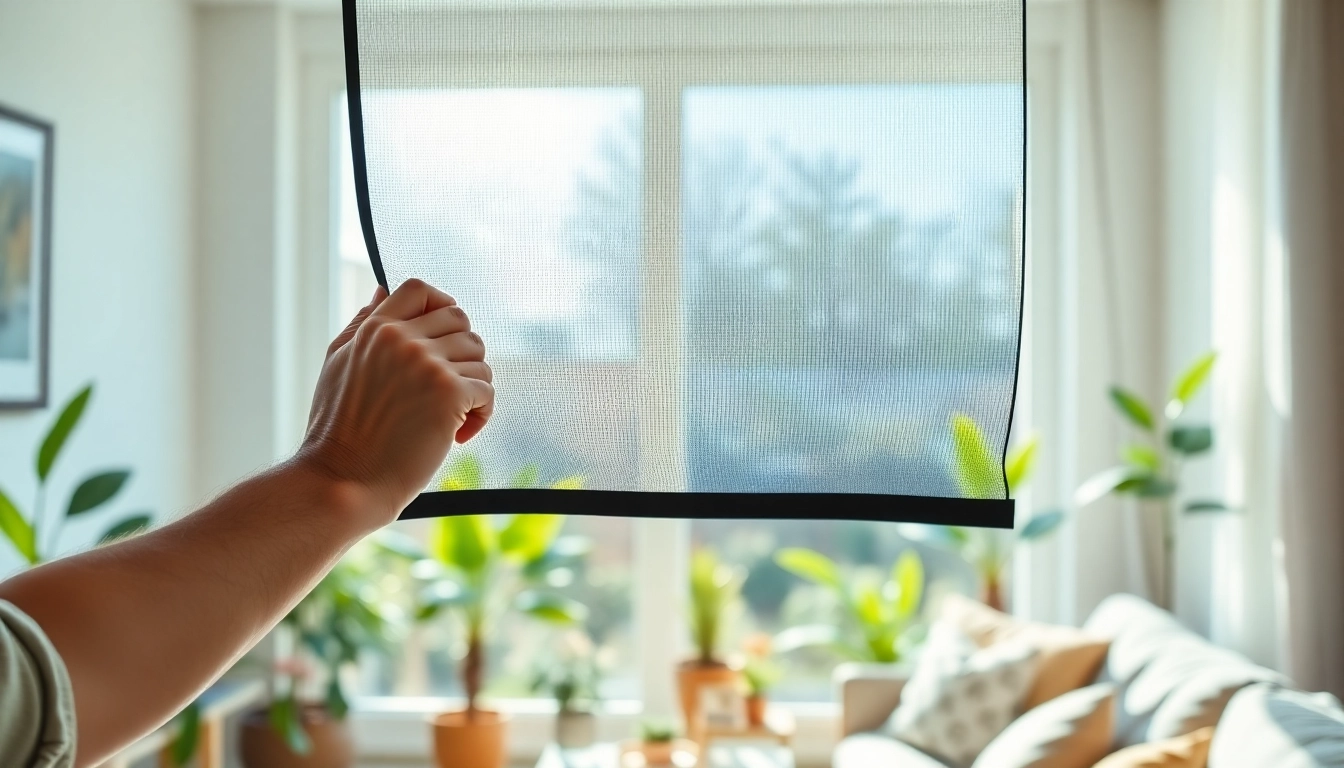
Flyscreens, often recognized as insect screens, are mesh barriers designed to keep pests out while allowing fresh air and natural light to flow into your home. These innovative solutions are essential for maintaining a comfortable indoor environment, promoting ventilation without compromising on protection from bugs. Flyscreens can be fixed, retractable, or magnetic, each serving specific needs and preferences in terms of installation and usage.
Benefits of Using Flyscreens
Implementing flyscreens in your home offers numerous advantages, making them an essential addition:
- Pest Control: The primary purpose of flyscreens is to prevent insects from entering, safeguarding your family from pests and potential diseases they may carry.
- Ventilation: Flyscreens allow the passage of air, which helps reduce humidity levels and enhances freshness in your living space.
- Natural Light: They enable natural light to brighten interiors without inviting unwanted visitors, maintaining a well-lit environment.
- Energy Efficiency: By facilitating cross-ventilation, flyscreens reduce reliance on air conditioning, potentially lowering energy bills.
- Versatility: Available in various designs and materials, flyscreens can complement any decor style while providing functional benefits.
Key Features of Flyscreenmaxx Products
Flyscreens from Flyscreenmaxx exhibit a series of innovative features:
- Durability: Constructed from high-quality materials like fiberglass and aluminum, these flyscreens are built to withstand various weather conditions.
- Custom Fit: Products are tailored to your specifications, ensuring a perfect fit for every window or door.
- Easy Installation: Most flyscreens come with a straightforward installation process, requiring minimal tools.
- Aesthetic Appeal: Designed to be sleek and unobtrusive, they blend seamlessly with existing decor.
- Low Maintenance: Their design means fewer upkeep requirements, making them convenient for busy households.
Types of Flyscreens Available
Retractable Flyscreens
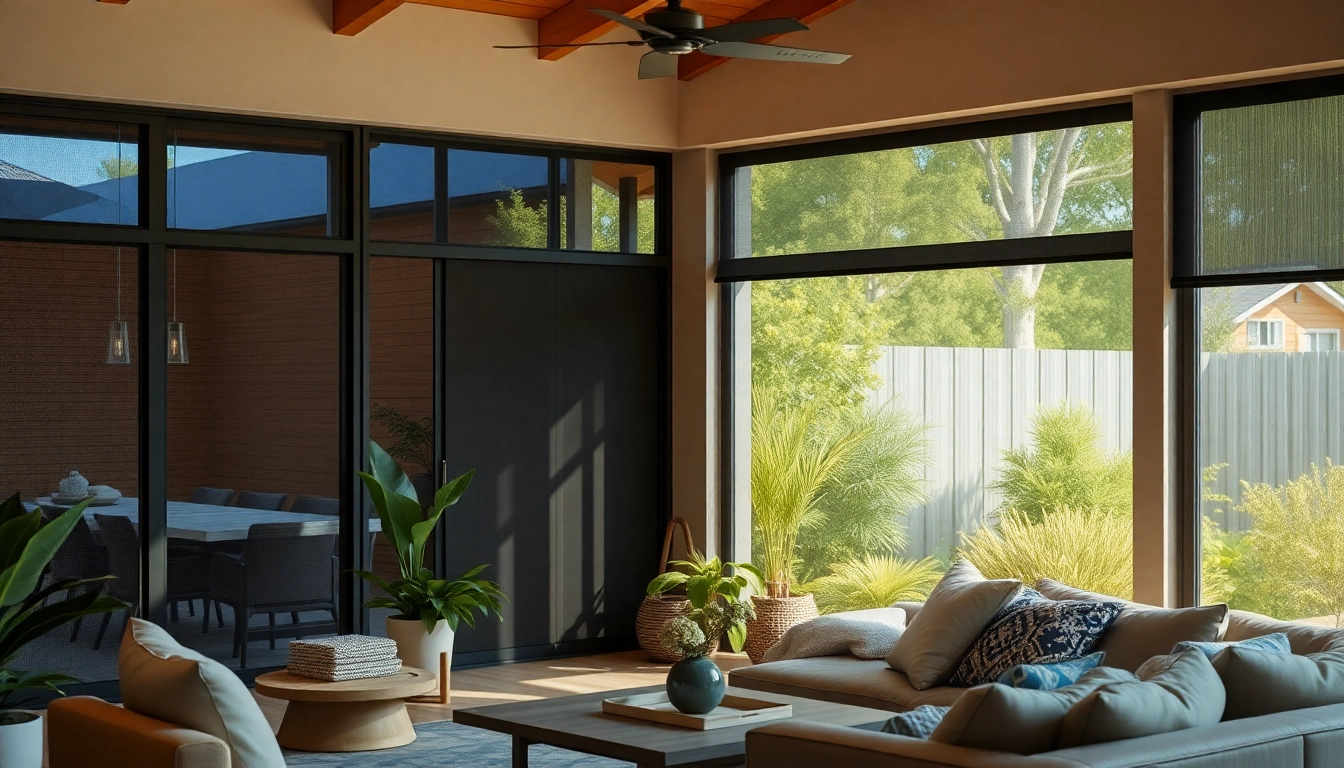
Retractable flyscreens are designed for spaces where flexibility is essential. These systems roll up and down, allowing users to enjoy unobstructed views when not in use. Ideal for larger openings like patio doors, they can be made to fit virtually any door frame, offering versatility alongside effective insect protection.
Fixed and Pleated Flyscreens
Fixed flyscreens provide a permanent solution for windows and door openings. They remain in place at all times and are ideal for homes where ventilation is often needed but without the bugs. Pleated flyscreens offer a unique aesthetic; they allow for a similar level of protection while folding away neatly when not in use, offering practicality coupled with design consideration.
Magnetic Flyscreens
Magnetic flyscreens are quick and easy to install, using magnets to hold the screen in place. These products are particularly useful for frequently accessed areas, such as kitchens and utility rooms, where users require rapid access without compromising airflow or inviting pests. The convenience and simplicity of installation make them an increasingly popular choice.
Choosing the Right Flyscreen for Your Home
Considerations for Design and Functionality
Choosing the right flyscreen demands an understanding of your home’s design needs and functional requirements. A homeowner should consider where the flyscreen will be installed, how often the area is accessed, and the overall decor of the room. For instance, retractable options may be preferable for living spaces needing unobstructed views, whereas fixed flyscreens may suit less-used windows.
Size and Fit Specifications
When selecting a flyscreen, accurate measurements of the installation area are crucial. The flyscreen must fit securely without any gaps. This ensures maximum protection against insects while preventing accidental removal or dislodging during use. Always use precise measurements, accounting for the full width and height of the opening without leaving any room for pests to enter.
Color and Material Options
Flyscreens come in a variety of colors and materials, which can influence both aesthetic and functional qualities. Common choices include aluminum frames, which are lightweight yet strong, and fiberglass mesh for visibility. Selecting a color that complements your home’s design not only enhances visual appeal but also contributes to a harmonious look within your living space.
Installation Guide for Flyscreenmaxx Products
Preparing Your Space
Before installation, ensure that the area is clean and free from obstructions. Measure the relevant openings and select the appropriate flyscreen model. Having all tools ready—including a screwdriver, drill, and measuring tape— will facilitate a smooth installation process.
Step-by-Step Installation Process
Installation generally follows these key steps:
- Measure: Confirm the dimensions of the window or door frame.
- Align: Position the flyscreen according to the manufacturer’s guidelines.
- Secure: Fasten the flyscreen using screws or clips provided, ensuring it’s tightly fitted.
- Test: Open and close the flyscreen to confirm smooth operation and closure.
- Finish: Inspect for gaps and ensure the screen is properly sealed.
Common Installation Challenges
During installation, some common challenges may arise, such as misalignment or gaps. If the screen does not fit snugly, homeowners might need to shim or adjust the frame. Additionally, if the screen is too loose, rechecking measurements or considering a different mounting method might be necessary to enhance stability and functionality.
Maintenance and Care for Your Flyscreens
Cleaning and Upkeep Procedures
Maintaining your flyscreens involves regular cleaning to prevent dirt buildup and damage. Use a soft brush or vacuum attachment to dislodge dust and debris without tearing the mesh. For more thorough cleaning, a solution of mild soap and water can be used, followed by air drying. Establishing a maintenance schedule—at least bi-annually—will prolong the life of your flyscreens.
Signs of Wear and When to Replace
Regularly inspect your flyscreens for signs of wear, including holes, tears, or loose mounting. If tears are small, repairs can be done with mesh patches. However, if the integrity is compromised or repairs become frequent, it is wise to replace the flyscreen entirely to ensure continued protection and functionality.
FAQ Section on Flyscreenmaxx
What sizes of flyscreens are available?
Flyscreens come in various sizes and can be custom-fitted to match your window or doorway dimensions for optimal effectiveness.
How do I clean my flyscreens?
Use a soft brush or vacuum to remove dust, and for deeper cleaning, a mild soap solution followed by air drying works best.
What materials are flyscreens made from?
Common materials include aluminum frames and fiberglass mesh, each chosen for durability and effectiveness against pests.
Are flyscreens easy to install?
Yes, flyscreens are designed for simple installation. Basic tools and measurements are all you typically need for a successful setup.
When should I replace my flyscreen?
Replace flyscreens when you notice significant wear, tears, or if maintenance becomes frequent. An intact screen ensures effective pest control.