Understanding Central Heating Leaks
Central heating leaks can turn from a minor inconvenience into a major headache if not addressed promptly. A leak in your heating system can lead to increased energy bills, water damage, and structural issues over time. Understanding the causes, signs, and ramifications of these leaks is crucial for homeowners who depend on their heating systems. When exploring options, central heating leak detection services can help mitigate these issues effectively. In this article, we will delve into everything you need to know about central heating leaks and how to detect them.
What Causes Central Heating Leaks?
Central heating leaks can arise from a variety of sources, often related to the age and condition of the system. Here are some common causes:
- Corrosion: Over time, pipes can corrode, especially if they are made from materials like steel or iron, leading to leaks.
- Loose Connections: Fittings and joints can become loose with thermal expansion and contraction, creating potential leak points.
- Wear and Tear: As systems age, components such as valves and gaskets may fail, resulting in leaks.
- Improper Installation: Poorly installed systems can lead to stress on pipes and joints, increasing the likelihood of leaks.
Signs of a Leak in Your Heating System
Being able to recognize the signs of a leak early can save you from extensive damage and high repair costs. Here are some indicators to watch for:
- Decreased Boiler Pressure: If you notice that your boiler pressure is dropping unexpectedly, it could indicate a leak in the system.
- Water Accumulation: Puddles or damp spots near the boiler or along pipes are clear signs of leaks.
- Unusual Noises: Gurgling or hissing sounds from the heating system might suggest air trapped in pipes due to leaking water.
- Increased Energy Bills: A sudden spike in heating costs can indicate that your system is working harder due to a leak.
The Importance of Early Detection
Detecting a leak early can prevent serious damage to your home and costly repairs down the line. Delaying action can lead to:
- Structural Damage: Persistent water leaks can weaken the integrity of walls, ceilings, and flooring.
- Mold Growth: Excess moisture can foster mold and mildew, resulting in health hazards.
- Higher Repair Costs: Addressing leaks early on is usually more economical than waiting until extensive damage occurs.
Advanced Techniques in Central Heating Leak Detection
Modern technology has significantly advanced the techniques used in leak detection, making it more accurate and less invasive. Here are some of the latest methods:
Utilizing Thermal Imaging for Precision
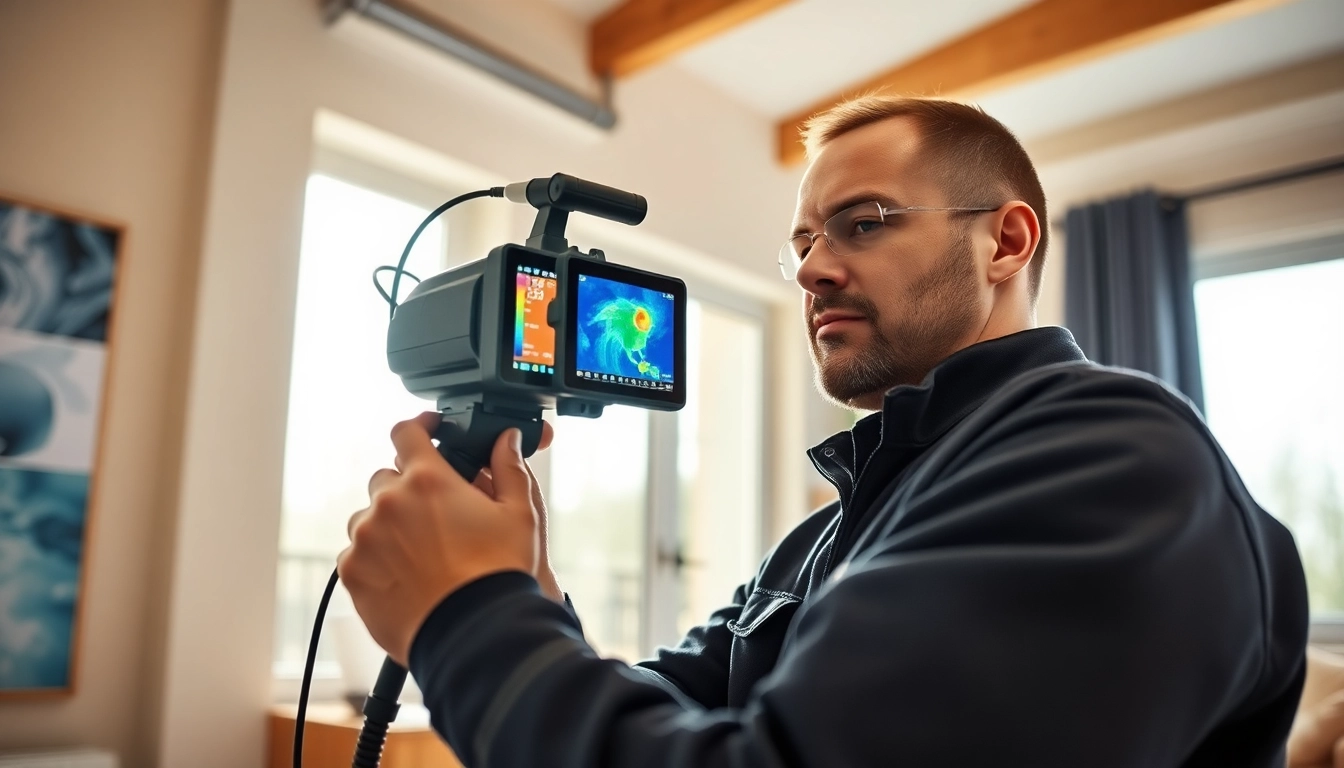
Thermal imaging cameras can detect temperature variations in your heating system that might indicate a leak. These cameras can quickly identify problem areas without the need for dismantling walls or floors, making the process efficient and non-invasive.
Acoustic Listening Devices Explained
Acoustic devices use sound to locate the source of a leak. By listening for the sound of water escaping through pipes, technicians can pinpoint leaks even if they are buried underground or hidden in walls.
Tracer Gas Detection: A Comprehensive Overview
This method involves introducing a safe, odorless gas into the pipework and tracing it to the point of escape. Tracer gas detection is particularly effective for very small or inaccessible leaks, making it an invaluable tool for leak detection specialists.
Common Misconceptions About Leak Detection
There are several myths surrounding leak detection that can lead homeowners astray. Understanding these misconceptions is essential for effective maintenance and repair:
Do-it-Yourself vs. Professional Detection
While DIY methods for detecting leaks, such as using dish soap to find air bubbles, can work in some cases, complex systems often require professional expertise. Trained specialists have access to advanced technology and methodologies that significantly improve accuracy.
The Real Cost of Ignoring a Leak
Some homeowners might see leak detection as an unnecessary expense. However, ignoring a leak can lead to far greater costs due to damage and repairs. Investing in professional leak detection early can save thousands in the long run.
Understanding Your Home Insurance Coverage
Many homeowners might assume that their insurance covers leak detection costs. However, this can vary widely by policy. It's essential to consult your insurance provider to understand the specific terms and coverage related to plumbing leaks.
Step-by-Step Guide to Detecting Central Heating Leaks
Taking a proactive approach to leak detection can save time and money. Here’s how to assess your heating system for leaks:
Preparing Your Home for a Leak Check
Before you begin your assessment, ensure your heating system is turned off, and other appliances are not running to avoid unnecessary complications.
Conducting Your Initial Assessment
Start with a visual inspection of your boiler, radiators, and pipes. Look for any damp patches and listen for unusual sounds. Note any changes in boiler pressure and temperature.
When to Call in the Experts
If you suspect a leak but cannot locate it, or if you notice significant signs of damage, it’s time to call in professionals. They can use advanced techniques to locate and repair leaks without invasive procedures.
The Future of Central Heating Leak Detection
As technology continues to evolve, so will the methods used for leak detection. Homeowners can expect more streamlined, efficient services as new innovations emerge.
Emerging Technologies in 2025
Innovations expected to reshape the leak detection industry include AI-driven diagnostics and more sophisticated sensors that provide real-time data on system performance, helping to identify potential leaks before they become significant issues.
Trends in Homeowner Awareness and Solutions
As more homeowners become aware of the implications of leak detection, there will likely be an increase in demand for preventative maintenance and routine checks, leading to a more proactive approach to home care.
Expert Predictions for Leak Detection Industry Innovations
Industry experts predict further integration of smart home technology with leak detection systems, enabling homeowners to monitor their heating systems remotely and receive alerts at the first sign of trouble.