Understanding Leak in Concrete Floors
Concrete floors are a popular choice for many homeowners due to their durability and aesthetic appeal. However, they are not immune to problems, particularly leaks that can cause significant damage over time. A leak in concrete floor can arise from various issues, including shifting soil, corrosion of pipes, or improper installation. Understanding the causes, signs, and implications of these leaks is crucial for maintaining the integrity of your home.
What Causes Leaks in Concrete Floors?
Leaks in concrete floors, often referred to as slab leaks, typically occur due to several factors:
- Corrosion of Pipes: Over time, pipes made of copper or galvanized steel can corrode, leading to cracks and leaks. Factors such as soil acidity and mineral content can accelerate this process.
- Soil Movement: Changes in soil conditions, whether from moisture content fluctuations or settling, can place undue pressure on the pipes. This movement might cause them to crack or shift, creating leaks.
- Poor Installation Practices: Improperly installed plumbing systems can result in vulnerabilities. If pipes are not adequately supported, they can sag and develop leaks.
Signs of a Leak in Concrete Floors
Detecting a leak in concrete floors can be challenging, but there are several telltale signs to look for:
- Increased Water Bills: A sudden spike in your water bill may indicate a leak.
- Wet Spots on Floors: Noticeable damp areas, especially in corners or near walls, can signal a water leak.
- Sounds of Running Water: If you hear water running when all faucets are off, it could suggest a leak beneath your slab.
- Mold Growth: The presence of mold or mildew, particularly in areas with poor air circulation, is a significant indication of excess moisture.
Importance of Early Detection
Early detection of leaks in concrete floors is critical for several reasons:
- Prevent Structural Damage: Leaks can undermine the foundation of your home, leading to costly structural repairs.
- Health Hazards: Excess moisture promotes mold growth, which can lead to respiratory issues and other health concerns.
- Increased Repair Costs: Addressing leaks quickly can save money on extensive repairs that result from prolonged water damage.
Advanced Techniques for Leak Detection
Identifying a leak in concrete floors requires specialized tools and techniques to ensure accuracy and minimize disruption to your home:
Utilizing Thermal Imaging Technology
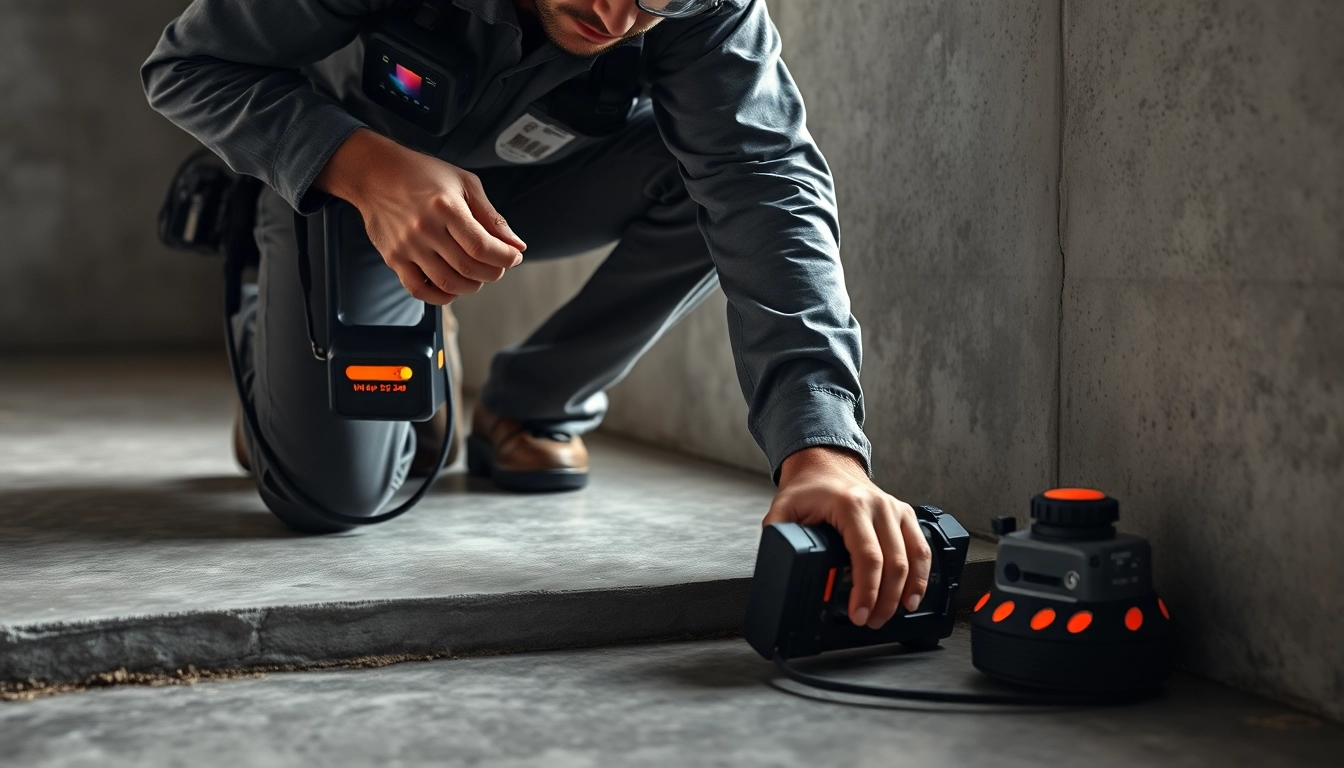
Thermal imaging cameras detect temperature differences in the concrete, allowing technicians to locate leaks without intrusive methods. The infrared technology highlights cooler areas where moisture has accumulated, providing an effective means to pinpoint the source of a leak.
Acoustic Listening Devices Explained
Acoustic listening devices help professionals identify the sound of leaking water or gas beneath the concrete. By placing sensors on the surface, technicians can detect the noise generated by water escaping from pipes, even when deeply buried within the concrete.
Pressure Testing: A Comprehensive Method
Pressure testing involves monitoring changes in pressure within a plumbing system to identify leaks. By isolating sections of pipe and observing pressure fluctuations, technicians can determine the exact location of a leak, enhancing the efficiency of repairs.
Repair Options for Concrete Floor Leaks
Once a leak is detected, various repair options are available, each with its own advantages and disadvantages:
Conventional Repair Methods: Pros and Cons
The traditional approach to repairing leaks includes breaking through the concrete to access the damaged pipes directly. While this method ensures a clear path for repairs, it can be costly and time-consuming due to the need for concrete work and potential disruption to your living space.
Innovative Solutions for Minimal Disruption
Non-invasive techniques, such as pipe lining and trenchless repair methods, offer alternatives that minimize disruption. These methods involve inserting a new lining into the existing pipes or using specialized equipment to repair pipes without extensive excavation, thus preserving the integrity of the concrete floor.
Cost Considerations for Repairing Concrete Floor Leaks
Repair costs can vary significantly based on the extent of the damage and chosen methods. Traditional repairs may range from $2,000 to $4,000, while trenchless methods could be more cost-effective, often ranging from $1,500 to $3,500. It’s essential to evaluate options with a professional to determine the best financial approach for your situation.
Preventative Measures for Future Leaks
To protect your home from future leaks, consider implementing these preventative measures:
Regular Maintenance to Avoid Leaks
Routine inspections of your plumbing system and prompt addressing of minor issues can prevent major leaks. Consider an annual checkup by a certified professional to catch any emerging problems early.
Choosing the Right Materials and Installation Techniques
When installing new plumbing, use high-quality materials resistant to corrosion and consider hiring reputable professionals to ensure proper installation practices. Investing in better quality can save money in the long run by preventing leaks.
Identifying Soil Conditions That Affect Concrete
Understanding your soil’s characteristics can significantly influence the durability of your concrete slab. Testing soil composition and moisture levels can help determine the best methods for solid foundation support.
FAQs About Concrete Floor Leaks
How to Identify Signs of a Leak?
Look for increased water bills, damp spots on floors, the sound of running water, or the growth of mold or mildew. These are crucial indicators that you may have a leak in your concrete floor.
What Should I Do if I Suspect a Leak?
If you suspect a leak, it’s essential to contact a leak detection specialist immediately. They can use advanced techniques to assess the situation accurately and recommend the best course of action.
Are Concrete Floor Leaks Covered by Insurance?
Coverage for concrete floor leaks typically depends on individual insurance policies. It's advisable to review your policy or consult your insurance provider to understand the specifics regarding leaks and water damage.