
Understanding Spray Foam Insulation
What is Spray Foam Insulation?
Spray foam insulation is a type of insulation that is applied as a liquid and expands into a foam, creating an effective barrier against air and moisture. Made from a mixture of chemicals, it adheres strongly to surfaces, filling gaps and cavities in homes. This insulation method has gained popularity due to its superior thermal performance, ability to form a continuous seal, and potential for energy savings.
Benefits of Spray Foam for Homes
Spray foam insulation offers numerous benefits for homeowners:
- Energy Efficiency: It significantly reduces energy bills by minimizing heat loss in winter and keeping homes cooler in summer.
- Moisture Barrier: Its dense structure prevents moisture buildup, which can lead to mold and structural damage.
- Soundproofing: The foam dampens noise from outside, providing a quieter living environment.
- Longevity: Spray foam is durable and can last for decades when installed properly.
- Eco-Friendly Options: Some spray foam products contain recycled materials and have environmentally friendly characteristics.
Common Issues Leading to Spray Foam Removal
Despite its advantages, spray foam insulation can present certain challenges. Over time, improper installation, exposure to ultraviolet light, and aging can lead to cracks and degradation. Additionally, chemical off-gassing from older formulations may pose health risks, prompting a need for professional spray foam removal Hampshire.
Signs You Need Spray Foam Removal Hampshire
Identifying Damage in Spray Foam Insulation
Knowing the signs of damage in spray foam is crucial. Look for peeling, cracking, or discoloration, which indicate that the foam has deteriorated. Any visible signs of moisture or mold growth can also suggest compromised insulation that needs urgent attention.
Health Risks Associated with Old Spray Foam
Older spray foam insulations, particularly those installed before advancements in formulation, may release harmful chemicals. Prolonged exposure can lead to respiratory issues and other health complications. Recognizing these health risks is essential for maintaining a safe home environment.
Why Timely Removal Matters
Timely removal of problematic spray foam insulation is crucial for several reasons. Delaying the process can exacerbate underlying problems, leading to increased repair costs and potential health risks from deteriorating materials. Proactive measures can protect both your home and your family.
Choosing the Right Professionals for Removal
Qualifications to Look For in Removal Experts
When selecting professionals for spray foam removal, ensure they possess proper certifications and training in hazardous material handling. Look for licensed contractors with experience in insulation removal to ensure a safe and effective process.
Questions to Ask During Consultations
Engage potential contractors by asking targeted questions during consultations. Inquire about their removal methods, safety protocols, and experience with spray foam. Understanding their approach will help you gauge their expertise and reliability.
Understanding Pricing Structures
Costs for spray foam removal can vary depending on the scope of work, the size of the area, and any associated risks. Request detailed estimates that break down labor, disposal, and any additional services, ensuring transparency and clarity.
Removal Process Explained
Step-by-Step Procedure for Effective Removal
The removal of spray foam insulation involves several critical steps:
- Assessment: Evaluate the condition of the insulation and determine the extent of the removal needed.
- Suction and Scraping: Employ specialized tools to extract the foam without damaging underlying structures.
- Disposal: Ensure proper disposal of the removed material, as it may be classified as hazardous waste.
- Post-Removal Cleanup: Clean the area thoroughly to prevent residue buildup.
Tools Utilized During the Process
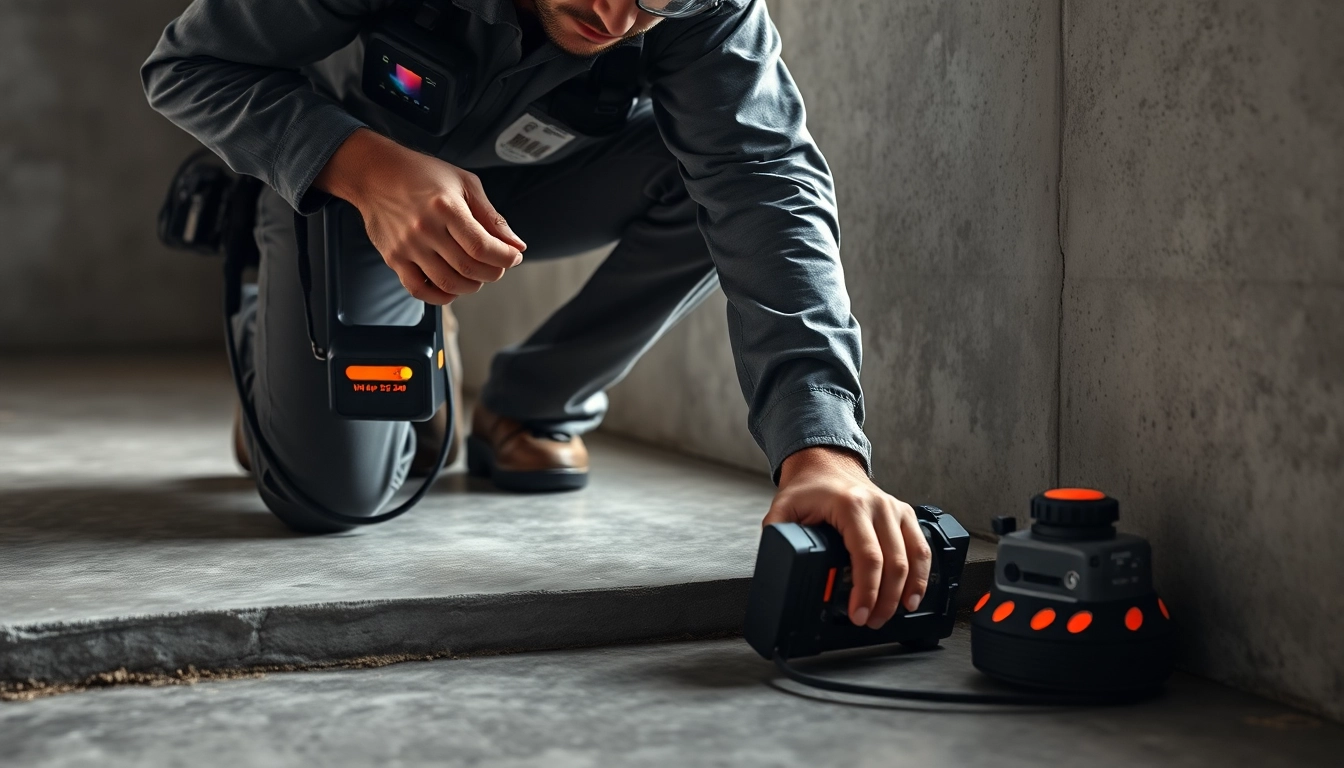
Professionals employ various tools, such as insulation removal vacuums and specialized blades, to effectively remove spray foam. These tools ensure efficiency and safety during the process, helping preserve the integrity of the home’s structure.
Post-Removal Inspection and Clean-up
After the removal process, a thorough inspection is essential to identify any remaining residues or damage. This step may involve air quality testing to ensure that the environment is safe for occupancy. Proper cleaning is crucial to prevent residual chemicals from causing issues in the future.
Maintaining Your Home After Removal
What to Do After Spray Foam is Removed
After removal, assess the insulation needs of your home. Consider alternatives such as fiberglass, cellulose, or rigid foam insulation, which might better suit your requirements. Preparing the space for new insulation ensures optimal performance moving forward.
Alternatives to Spray Foam Insulation
Numerous alternatives to spray foam insulation exist, each with its unique benefits. Fiberglass insulation is cost-effective and widely used, while cellulose insulation, made from recycled paper, provides excellent thermal performance. Rigid foam boards offer moisture resistance and can enhance energy efficiency.
Best Practices for Home Insulation Going Forward
Once the insulation is replaced, adopt best practices for maintaining your home’s energy efficiency. Schedule regular inspections, ensure adequate ventilation, and heed manufacturer guidelines for any new insulation materials. Staying proactive helps maintains thermal efficiency and a healthy home.
FAQs
What can cause spray foam to degrade?
Spray foam can degrade due to exposure to UV light, moisture infiltration, improper installation, and age. Chemical breakdown processes can also occur, necessitating removal.
Is spray foam removal safe for my home?
Yes, spray foam removal is safe when conducted by qualified professionals. They adhere to safety protocols and ensure proper handling of materials to protect your home and family.
How long does the spray foam removal process take?
The duration of the removal process varies based on the area size and degree of insulation. Typically, projects can take a few hours to several days, depending on conditions.
Can I perform spray foam removal myself?
While DIY removal is possible, it is highly discouraged due to safety risks and potential damage to the home. Hiring professionals ensures proper techniques are used, safeguarding your property.
What should I expect after removal?
After removal, you should expect a thorough inspection and a clean area where the insulation was. This presents an opportunity to decide on new insulation options to enhance home efficiency.