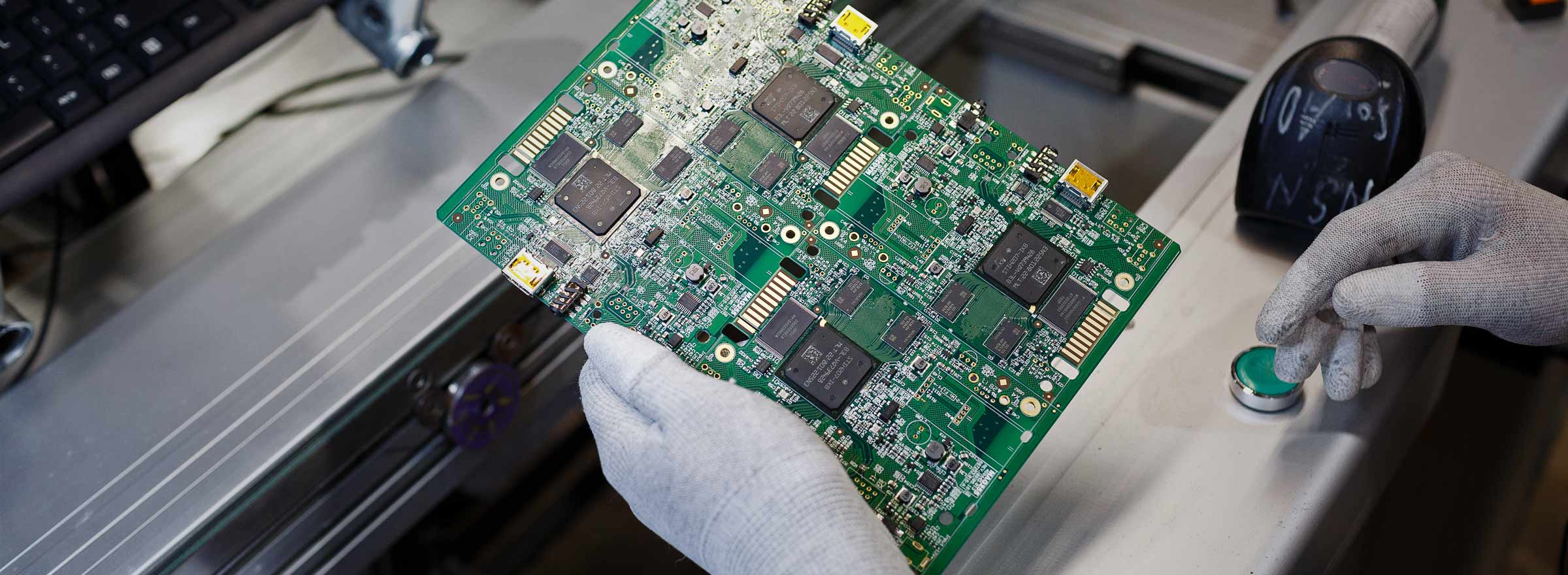
Understanding Free Computer Disposal Options
As technology evolves and devices become obsolete, the need for responsible disposal options has never been more critical. Many people own old computers that they no longer use, leading to questions about their proper disposal. Understanding free computer disposal options offers a viable path for disposing of these outdated devices, preventing electronic waste from overwhelming landfills and creating environmental hazards.
What Constitutes Free Computer Disposal?
Free computer disposal refers to the practices and services facilitating the recycling or safe disposal of electronic devices without charging the consumer. This often includes programs set up by local governments, community organizations, or electronics retailers that provide drop-off points or collection events.
In many places, residents can take advantage of local recycling initiatives where they can dispose of their electronics, including computers, monitors, and peripherals, at no cost. These solutions are designed to minimize the environmental impact of e-waste.
The Importance of E-Waste Recycling
Electronic waste, or e-waste, comprises discarded electrical or electronic devices. As technology rapidly advances, devices are quickly rendered obsolete, dramatically increasing the amount of e-waste generated each year. Proper e-waste recycling is paramount because:
- Environmental Protection: Many electronic devices contain hazardous materials, such as lead or mercury, that can leak into the soil and water if not disposed of correctly.
- Resource Recovery: E-waste is a valuable source of raw materials. Recycling can recover precious metals like gold and silver and reusable components for new devices.
- Reducing Landfill Burden: Proper disposal keeps harmful materials out of landfills, where they can contribute to environmental degradation.
Local Resources for Free Computer Disposal
Finding local resources for free computer disposal is easier than one might think. Many municipalities have designated drop-off points for residents to recycle their old electronics. Community events also provide opportunities for collective disposal. Resources can include:
- Municipal Recycling Centers: Check your local waste management authority for nearby recycling facilities.
- Community E-Waste Drives: Many non-profits host events to collect e-waste for safe recycling.
- Retailer Programs: Many electronics stores offer recycling programs for outdated technology, often allowing free drop-off or scheduled pick-up.
Benefits of Properly Disposing Old Computers
Correctly disposing of old computers comes with numerous benefits, both for the environment and the individual. Here are some compelling reasons to ensure proper disposal methods are utilized.
Environmental Impact of E-Waste
The environmental implications of improper e-waste disposal include soil and water contamination and increased pollution due to harmful chemicals. Recycling computers responsibly reduces these risks, ensuring that pollutants do not leach into the ecosystem. Additionally, the energy consumed during the manufacturing of new devices can often be conserved by recycling, making it an environmentally friendly practice.
Data Security and Privacy Considerations
With identity theft and data breaches being significant issues today, data privacy and security are essential when disposing of computers. Before disposing of any electronic device, it's crucial to securely wipe all data. This can often be done using software designed for data erasure, which ensures that information is irrecoverable. This practice protects personal and confidential information from falling into the wrong hands.
Community Benefits of Proper Disposal Practices
Proper disposal of e-waste not only protects the environment but also fosters a sense of community responsibility. By participating in local recycling programs and events, individuals contribute to public health and the well-being of the community, helping to create a cleaner and safer environment for everyone.
Steps to Prepare Your Computer for Disposal
Properly preparing your computer for disposal is essential to maintaining data security and minimizing environmental impact. Here’s how to effectively prepare:
Wiping Your Data Securely
Before parting with your computer, ensure that all your data is irretrievable. Utilizing software solutions specifically designed for data destruction ensures that your private information is not accessible. Many solutions comply with federal regulations around data protection, providing peace of mind.
Removing Hazardous Components
Some components of a computer may be hazardous to the environment. Items such as batteries should be separated and disposed of appropriately. Many local recycling facilities have specific guidelines for disposing of hazardous materials. Be sure to check established protocols before disposal to prevent environmental contamination.
Choosing the Right Disposal Method
After data wiping and component removal, consider the best disposal method for your computer. Depending on local regulations and available resources, this may involve:
- Drop-off at Recycling Centers: Search for local centers that accept electronics for proper recycling.
- Community Collection Events: Participate in organized events to recycle larger quantities of e-waste.
- Donation: If the computer is still functional, consider donating it to local charities or organizations that accept electronic donations.
Frequently Asked Questions about Free Computer Disposal
What do I need to do before disposing of my computer?
Before disposal, securely wipe your data using data destruction software and remove any hazardous components like batteries. This helps protect your privacy and adhere to environmental safety standards.
Are there any fees associated with free computer disposal?
Many local programs and recycling events offer free computer disposal, but it's essential to verify if any associated fees exist for specific items or services.
Where can I find local recycling centers?
Search online for municipal recycling facilities or check with your city's waste management authority for suggestions on local recycling centers that accept electronics.
Can businesses also benefit from free computer disposal?
Yes, many local and state programs offer free computer disposal options for businesses. Check with local authorities for guidelines tailored to commercial entities.
What if I only have a part to dispose of?
Most recycling centers accept individual parts, such as hard drives or monitors. Verify with local facilities to ensure they accept the parts you wish to dispose of.
Best Practices for E-Waste Management
Effective e-waste management requires a proactive approach. Here are some best practices to consider:
Participating in Local E-Waste Events
Local community events provide excellent opportunities for residents to dispose of unwanted electronics responsibly. Staying informed about these events encourages collective participation, reducing e-waste in landfills.
Partnering with Organizations for Responsible Recycling
Form partnerships with local businesses or non-profits focused on responsible e-waste recycling. Collaboration could lead to improved services and shared facilities, making responsible recycling more accessible to the community.
Staying Informed About E-Waste Laws and Regulations
Remaining updated on changing e-waste laws and regulations ensures compliance with local guidelines. Regularly review resources provided by the government and environmental organizations to stay well-informed.